The Halver Comparative Nutrition Lecture brought together students, faculty, and guests to address a significant question: how do we determine appropriate diets for animals in managed care settings, such as zoos, aquariums, sanctuaries, and rehabilitation centers? Supported by the Halver family, the series highlights the science and applied problem-solving involved in comparative nutrition across diverse species. This lecture series honors the late Dr. John Halver, a pioneer in fish nutrition whose work significantly influenced modern diet formulation. It is dedicated to exposing students to the field of comparative nutrition.
Meet the speaker
This year’s featured talk, “What’s on the Menu? Evidence-based Feeding of Exotic Species,” was presented by Dr. Kimberly Ange-van Heugten, a professor in animal science at North Carolina State University. She teaches animal nutrition classes to about 450 students annually and has taken students on study abroad programs to Thailand, Costa Rica, and South Africa. In addition, she runs an active research program in comparative animal nutrition and serves as a consulting nutritionist for exotic species in zoos and sanctuaries worldwide.
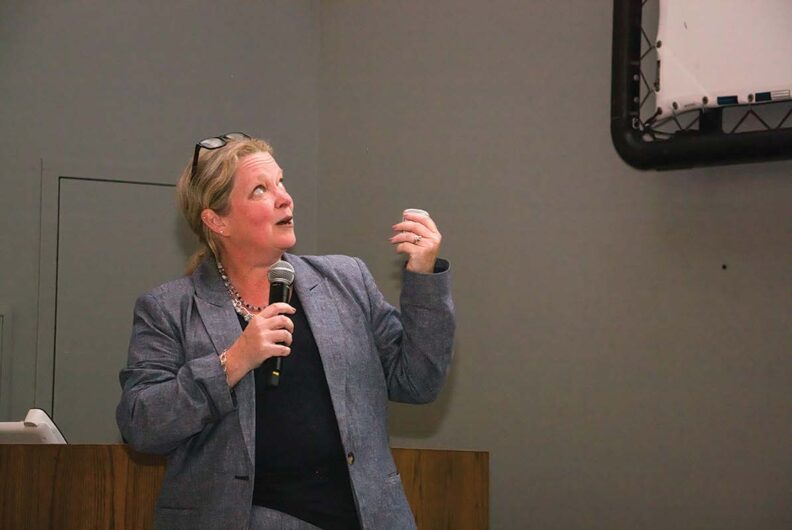
Dr. Ange-van Heugten grew up working on her parents’ swine farm and planned to become a veterinarian, inspired by her older brother. She finished her undergraduate degree at NC State and entered an MS program in animal science, expecting to attend vet school afterward. During her MS degree, she met a fellow student who worked at the Duke Lemur Center, which studies this endangered primate, and this gave her a first look at comparative animal nutrition. Fascinated, she saw exciting new opportunities. After her MS, she began a two-year nutrition residency at the Brookfield Zoo in Chicago, where she learned about many animals and their dietary needs and made key contacts. She later earned a PhD in animal science from Wageningen University in the Netherlands, focusing on primate nutrition, especially the Woolly monkey.
The science behind building better diets

Throughout her lecture, Ange-van Heugten discussed her experiences with formulating diets for exotic species. She first relies on data from well-known livestock and companion animals. She collaborates with veterinarians, conservationists, and zookeepers who care for these animals. Together, they design species-specific diets to support health and well-being.
Case study: rock hyrax diet design
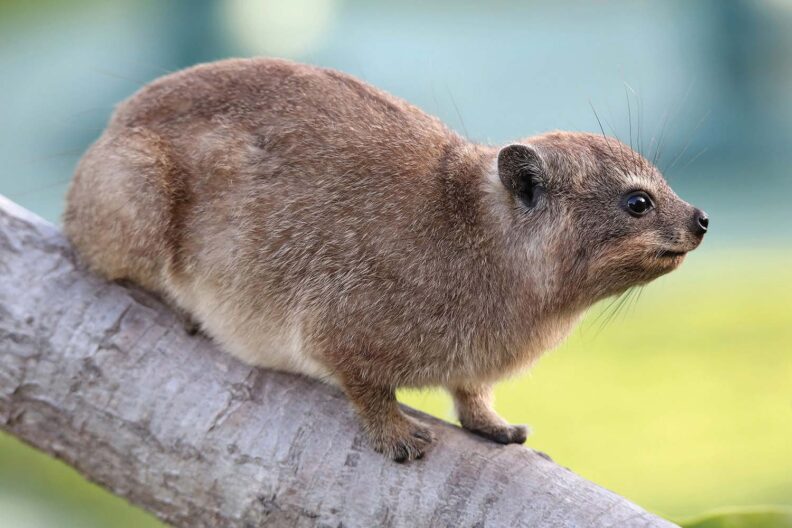
For example, rock hyraxes are small mammals that are most closely related to elephants. Rock hyraxes are hindgut fermenters, meaning they digest feed by fermenting it in their complex large intestines. Their diets are formulated to contain high levels of fiber and are based on what we know about horse nutrient requirements, as horses have similar digestive systems. A typical diet fed to rock hyraxes in managed care generally consists of equal amounts of high-quality hay and a nutritionally complete pelleted feed that is high in fiber and low in starch, sugar, and iron.
Diet formulation beyond ingredients
She emphasized that the process of diet formulation is more than just choosing suitable foods; it requires creating diets that reflect the animal’s estimated nutrient requirements and food preferences, which are influenced by its environment. In addition, diets must use ingredients that can be sourced locally, stored, prepared, and fed safely and consistently.
Case study: feeding aardwolves
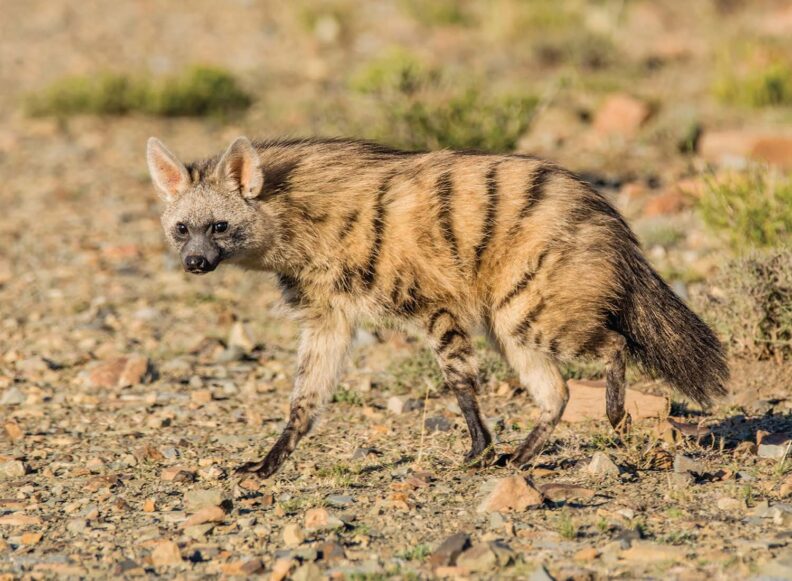
Continuing with practical examples, another specific challenge Ange-van Heugten discussed was the feeding of aardwolves. Although these animals resemble typical canids, they are actually insectivores and do not thrive on meat-based diets commonly fed to wolves and other canid species. They require diets that reflect the nutrient composition of termites, their main food source. Termites contain a significant amount of chitin, which is an insoluble but digestible fiber. According to information on the Cincinnati Zoo’s website (https://cincinnatizoo.org/animals-archive/aardwolf/), a single aardwolf can consume 200,000 termites a night. Therefore, providing enough termites to sustain aardwolves in managed care is impractical. The main challenge in creating a suitable diet for them is identifying a safe, practical substitute that supports long-term health. She did this using a combination of roach-based diets and nutritionally complete pelleted diets.
When feeding becomes welfare
In addition to diet composition, Dr. Ange-van Heugten noted that the method of food delivery is another essential aspect of nutrition. Proper feeding setups can reduce stress and boredom. They also minimize competition and promote natural behaviors. These actions reinforce the connection between nutrition and animal welfare.
Student Q&A: measuring success & building a career
During the Q&A, students shifted the discussion toward diet effectiveness by asking whether successful reproduction indicates an effective diet. Ange-van Heugten responded that breeding success is an important indicator of health, but not the only one.
Another question focused on how to begin a career in comparative animal nutrition. To this, she advised, “Get your hands dirty with as many animals as possible. Don’t just look at zoos for jobs or internships. There are many more opportunities with regular livestock and companion animals, and you can learn a lot about handling animals, welfare, and nutrition.” She continued, “Be persistent and keep asking. You might get 20 negative responses, but 21 might be a Yes.”
In summary, Dr. Ange-van Heugten’s lecture tied together effective nutrition for exotic species with the broader theme of drawing on knowledge of domestic species. This approach reflects the central challenge and value of comparative animal nutrition. For students desiring a career where science has a real-world impact, pursuing a career in animal nutrition offers diverse and meaningful opportunities.