Strengths of the program
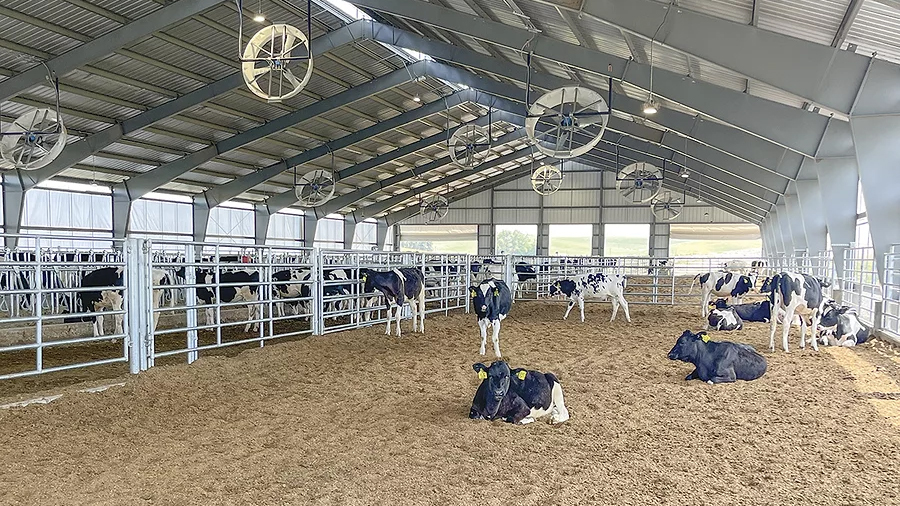
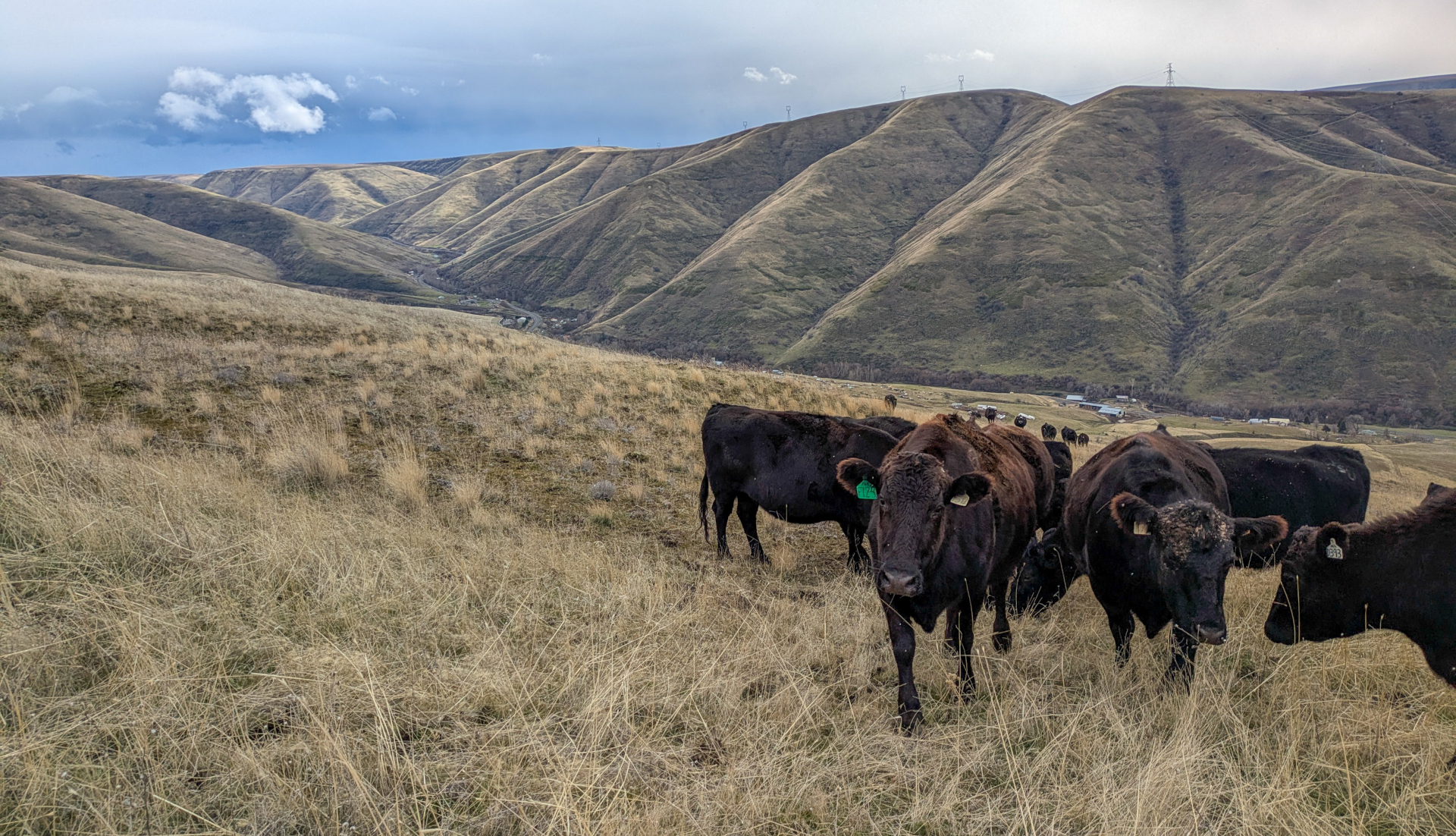
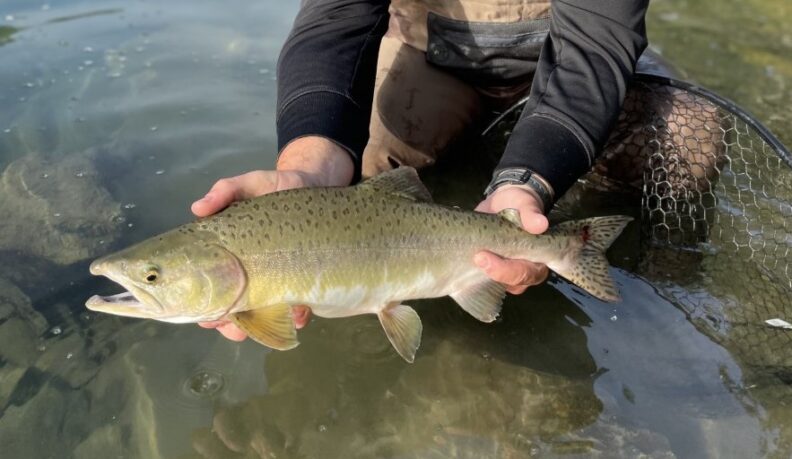
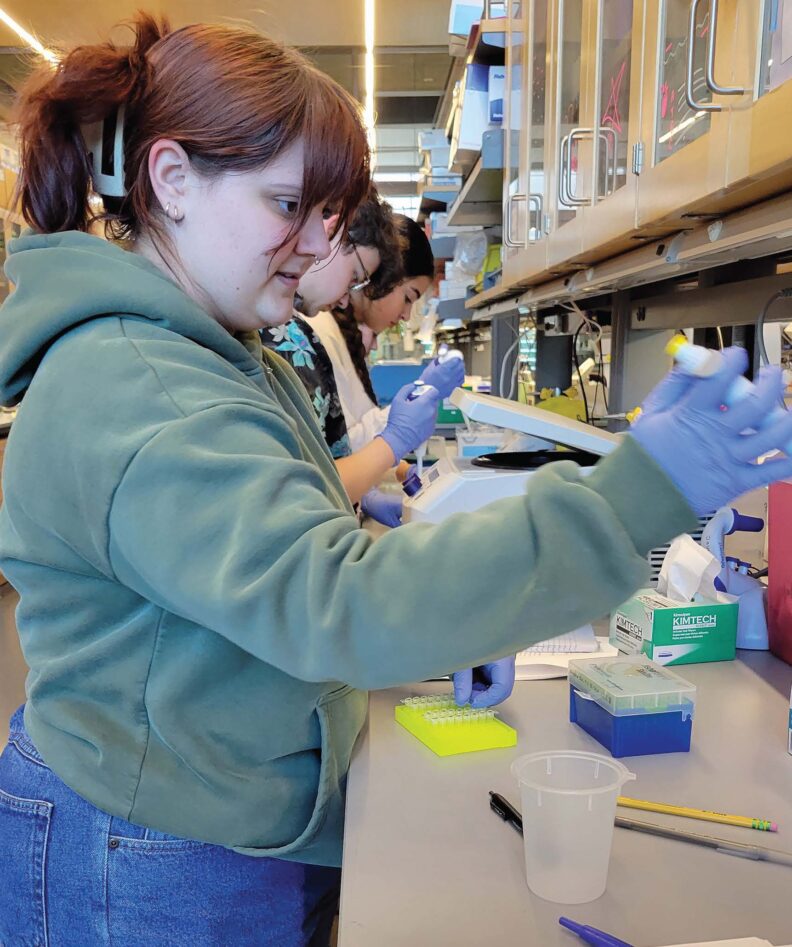
The Department of Animal Sciences fosters student success through strong mentoring, innovative research, and hands-on learning, giving students the opportunity to work directly with animals—from salmon and cattle in field settings to advanced laboratory research in genomics, nutrition, reproduction, and environmental science.
- One of the nation’s top animal sciences programs—and the only 4-year degree in Washington
- Multidisciplinary curriculum blending science, agriculture, and animal management
- Dedicated faculty providing academic and career mentorship
- Hands-on learning in labs and livestock facilities
- Career and leadership opportunities through internships, clubs, and cooperatives
Admission to the major
After being admitted to WSU, students can join the Animal Sciences major by declaring their interest with the department, usually during orientation.
Advisors

Nancy Hernandez
Email: n.hernandez@wsu.edu
Phone: 509-335-0672
Office: Clark 123
📅 Meet with Nancy
Drop-Ins: MWF 12-2

Lisa Hunter
Email: hunterl@wsu.edu
Phone: 509-335-0671
Office: Clark 121
📅 Meet with Lisa
Drop-Ins: T/TH 2-4
Bachelor of Science in Animal Sciences
Students planning to study animal sciences should take chemistry, biology, and mathematics in high school, along with developing strong communication and writing skills. Those planning to begin at a community college and transfer to WSU are encouraged to contact the department early to coordinate coursework.
All animal sciences majors study nutrition, reproduction, breeding, and genetics while gaining hands-on experience with dairy cattle, beef cattle, swine, and aquaculture (salmon). Students apply their learning through hands-on experiences, including student-managed livestock operations and research addressing challenges in animal and human health. Students may also choose to pursue a combined B.S./D.V.M. program.
Students can choose between two program options to align coursework with their interests and career goals.
Pre-veterinary Medicine/Science Option
Prepares students for veterinary school, graduate study, and biotechnology careers through a strong foundation in the biological sciences and required DVM prerequisites.
Animal Science, Technology, and Production Option
Focuses on the business, management, and production aspects of animal agriculture, with practical experience across multiple species.
Common requirements
- 5 Foundational Courses 16 credits
- 3 Inquiries 16 credits
- 4 Inquiry in the Natural Sciences 16 credits
- 2 Math 4-5 credits
Animal Sciences core (20 credits)
- ANIM_SCI 101: Introductory Animal Science 3 credits
- ANIM_SCI 180: Animal Sciences Orientation 1 credit
- ANIM_SCI 240: Intro to Domestic Anatomy & Physiology 3 credits
- VET_PH 308: Functional Anatomy and Physiology of Domestic Animals 1 credit
- ANIM_SCI 313: Feeds and Feeding 4 credits
- ANIM_SCI 330: Animal Genetics 3 credits
- ANIM_SCI 350: Physiology of Reproduction 3 credits
- ANIM_SCI 351: Physiology of Reproduction Lab 1 credit
- ANIM_SCI 380: Careers in Animal Science 1 credit
- 1 ANIM_SCI Lab Management Course 1 credit
- 2 ANIM_SCI Group 1 Electives 5-6 credit
- 1 ANIM_SCI Production Course 3 credits
Technology and Production Major
- 4 ANIM_SCI Group 2 Electives 10-15 credits
- 2 Business/Economics Electives 6 credits
- 1 Agricultural Sciences Elective 1-5 credits
Pre-Veterinary/Science Major
- 1 ANIM_SCI Health Elective 3-4 credits
- 3 ANIM_SCI 400 Electives 7-15 credits
- 1 Pre-Vet Requirement for WSU 4 credits
Minor in Animal Sciences
Students may apply for a minor in Animal Sciences once they have been admitted to a major and completed 60 credits. A minor in Animal Sciences requires a minimum of 16 credits of courses with the ANIM SCI prefix. At least 9 of the 16 credits must be upper-division, earned in WSU courses or through WSU-approved education abroad or educational exchange courses, and include a minimum of 7 credits from the following list: ANIM SCI 313, 330, 350, and/or 351. In addition, students may use up to 4 credits of ANIM SCI 399 or 499. Students must maintain a minimum 2.0 GPA within ANIM SCI courses to retain the Animal Science minor.
What can you do with your degree?
Animal scientists address challenges facing industry and society, with careers spanning animal production, aquaculture, agribusiness, and animal care. The pre-veterinary option prepares students for veterinary medicine, biotechnology, and graduate study.

The hands-on extracurricular clubs, activities and leadership opportunities that I participated in as a WSU animal science student elevated my skillset and expanded my industry network in ways that continue to benefit me today.”
Kimmi Devaney, ANSCI ‘10
Editor & podcast host
Progressive Dairy Magazine

WSU is a great place with many great people who provide great support!”
Xiangdong Liu, ANSCI ‘22
Research Fellow
Dana Farber Cancer Institute
Career paths
- Agribusiness
- Animal Management
- Animal Welfare
- Aquaculture
- Biotechnology
- County Extension agent
- Environmental Sustainability
- Farm and Ranch Management
- Food Safety
- Genetics
- Livestock Reproduction Services
- Nutrition
- Pharmaceutical sales and development
- Professor
- Veterinary Medicine
- Zoo Management