The native salmon and trout species that inhabit Washington State are vital to the region’s economy and its cultural identity. The state has the largest number of salmon hatcheries in the world and a vibrant steelhead trout aquaculture industry. The salmonid aquaculture and conservation research and training program in the WSU Animal Sciences Department utilizes state-of-the-art technology to understand the biology of salmon and apply this knowledge to enhance aquaculture production and sustainability, while protecting wild fish populations. Our program introduces students to modern aquaculture practices, offering potential opportunities for hands-on work with fish in a research hatchery setting, as well as laboratory and field experiences through the WSU Fisheries Club. Our research employs advanced technologies like AI and gene editing to uncover new biological insights about salmon and trout biology that were not previously possible. We are one of only a few places in the world with active salmon and trout gene editing research, which we use to ask important questions about fish growth, reproduction, and environmental resilience.
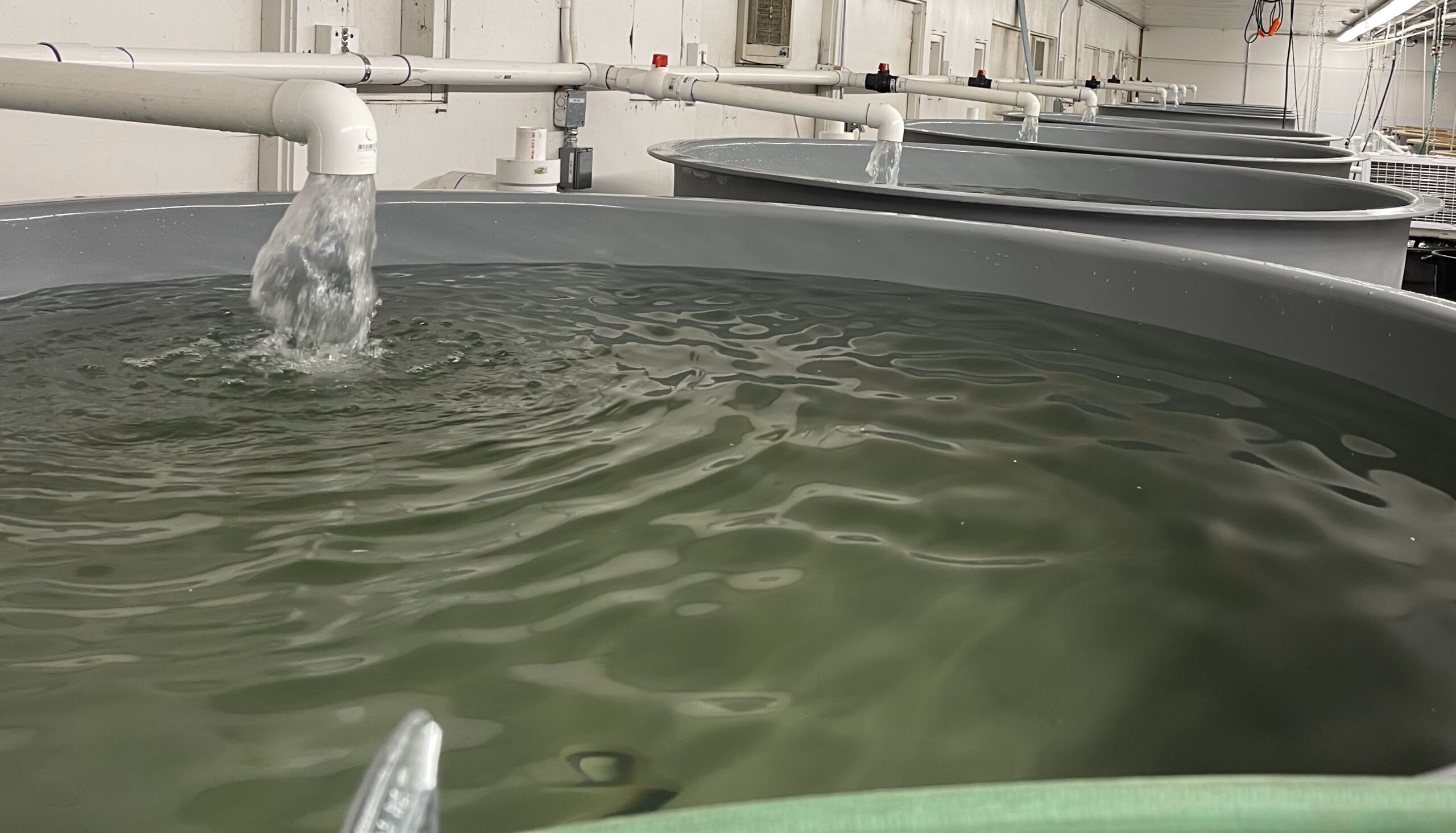
Biotechnology for wild salmon conservation
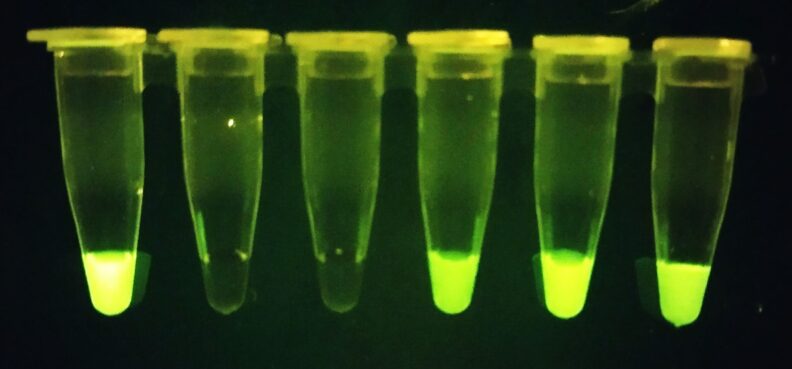
The program has active research employing new technologies for genetic tracking of the movement of threatened salmon species, as well as invasive species that impact wild salmon. This work could help resource managers protect wild salmon stocks and prevent the spread of invasive species in Washington State.
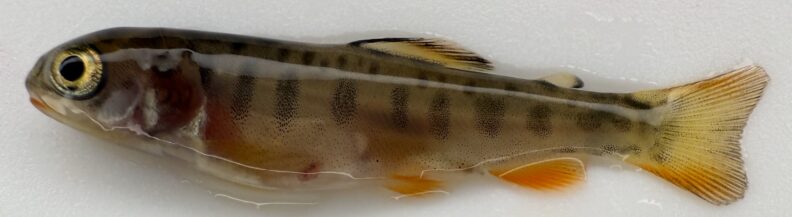
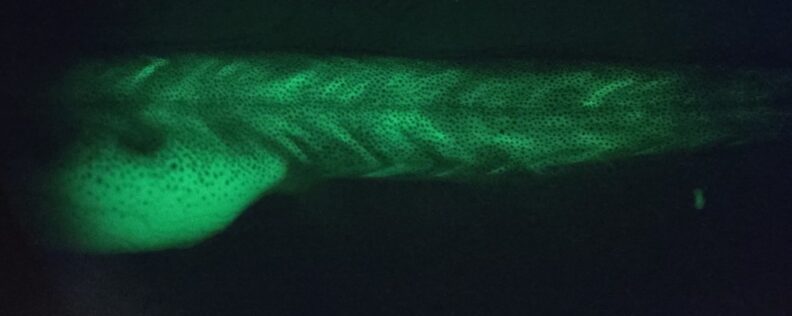
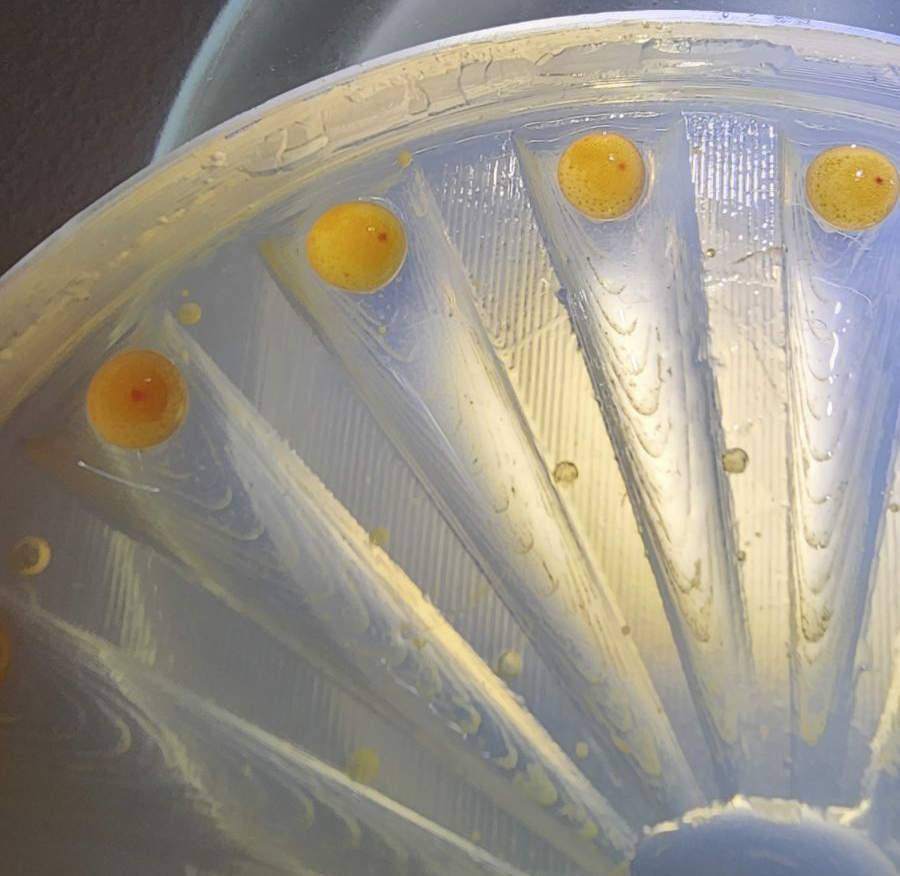
Salmon Biology and Aquaculture Sustainability
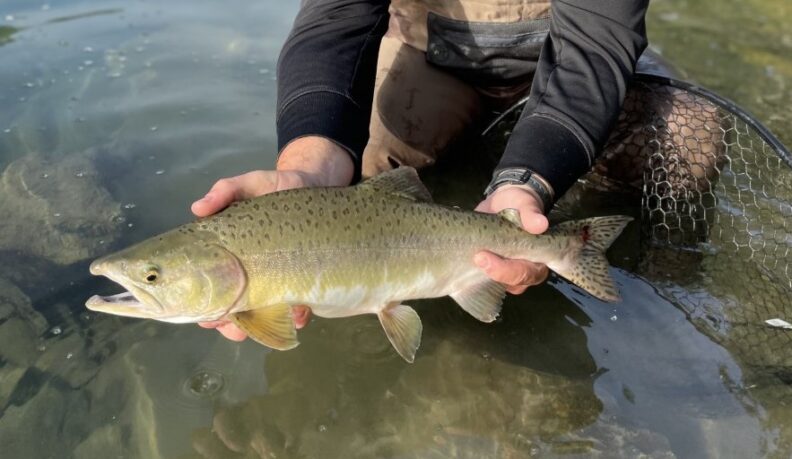
We employ advances in genetics, physiology, and genetic engineering (e.g., CRISPR) technologies to address long-standing questions on salmon biology. This knowledge is used to understand how these species will cope with environmental changes as well as to identify ways of improving aquaculture production and sustainability.